Hunger Relief
Hunger Relief & Nutrition
Across low-income communities in Pakistan, many families face the daily challenge of putting enough food on the table for their children. For households living with limited income, unemployment, rising food prices, unstable employment, and difficult living conditions, providing regular and nutritious meals can become an overwhelming responsibility. Parents may work long hours and still struggle to afford basic groceries, while children can be left without the balanced meals they need to grow, learn, and remain healthy. For many vulnerable families, hunger is not an occasional problem—it can become a recurring part of everyday life.
Children are among those most affected by food insecurity. When a child does not have consistent access to nutritious food, it can affect their energy, concentration, physical development, school participation, and overall well-being. A child should have the opportunity to wake up each morning with enough food to begin the day, attend school with energy, play with other children, and grow in a safe and healthy environment. Unfortunately, financial hardship can make even these basic needs difficult for many families.
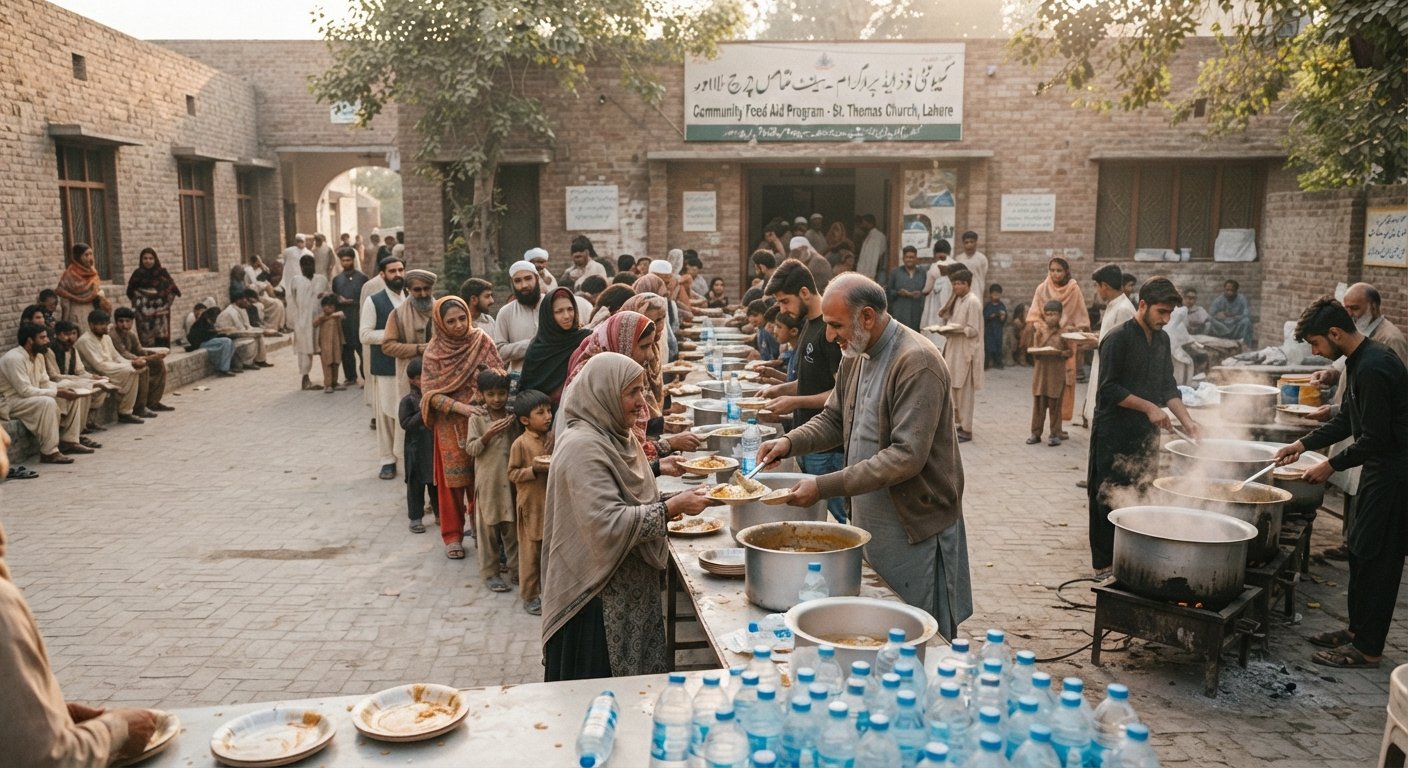
The Nourish a Child program was created to provide practical food assistance to children and families experiencing hunger and food insecurity. Through community food distributions, meal drives, prepared-meal initiatives, and the support of dedicated volunteers, Mercy & Grace works to bring food directly to communities where assistance is needed. Our goal is simple: to make sure that vulnerable children and families can receive a nutritious meal when they need it most.
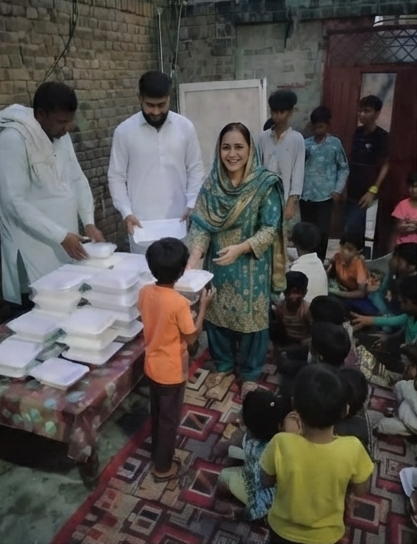
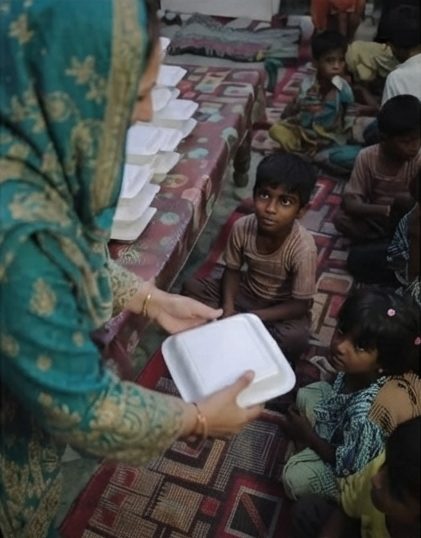
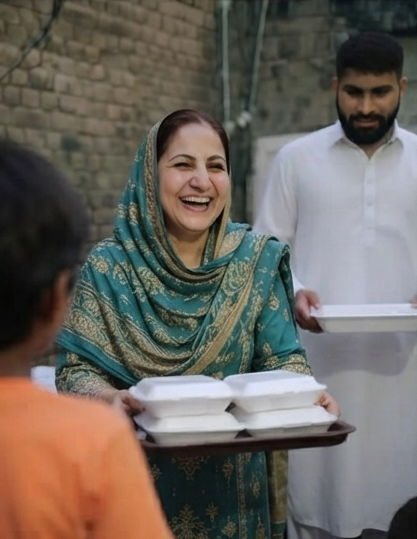
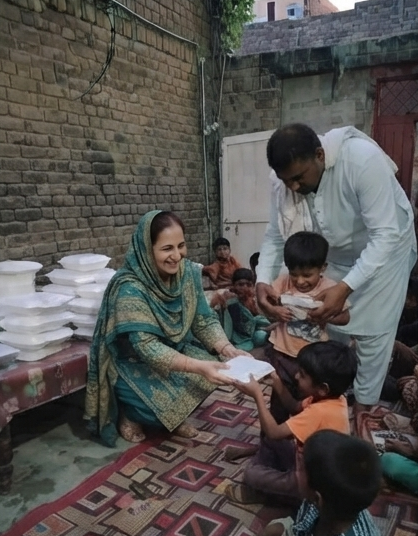
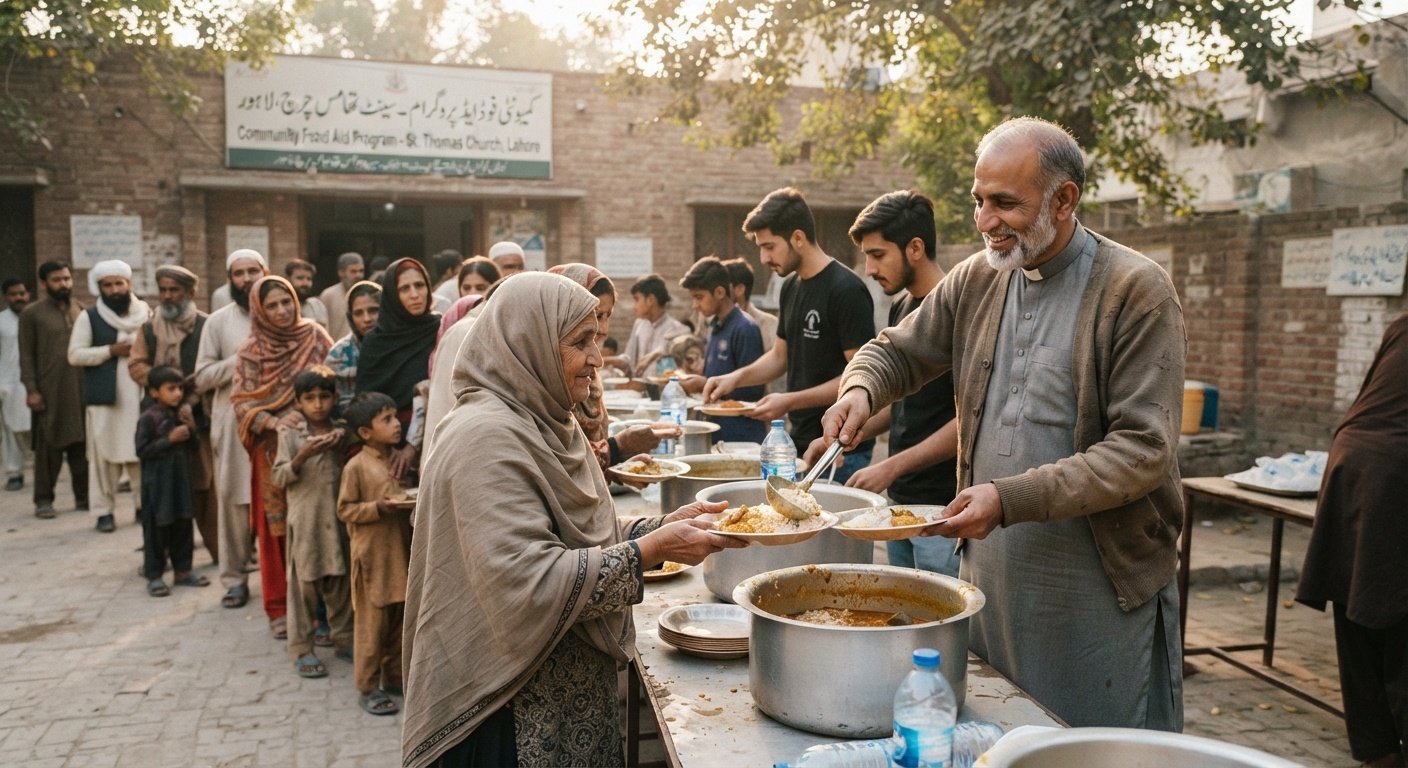
Our food distribution activities bring together volunteers, donors, community members, and local partners who believe that no family should have to face hunger alone. Volunteers help organize food, prepare and pack meals, transport supplies, and distribute meals directly to children and families. These activities are more than a simple distribution of food; they are opportunities to build relationships with communities, listen to their needs, and provide assistance in a way that protects the dignity of every person we serve.
In many of the communities we reach, a single meal can make a meaningful difference in a child’s day. A nutritious meal can provide much-needed energy, help a child feel cared for, and offer temporary relief to parents who are struggling to meet household expenses. For families facing difficult economic circumstances, receiving food support can also allow them to use their limited resources for other essential needs such as education, healthcare, transportation, clothing, and household expenses.
We believe that food is more than nourishment—it is an expression of compassion, care, and human dignity. When a volunteer sits with a child and shares a meal, the moment represents something much larger than the food itself. It communicates that the child matters, that their needs are seen, and that there are people willing to stand beside their family during difficult times.
The Nourish a Child program focuses on providing food assistance in a respectful and community-centered way. Rather than simply delivering meals and leaving, our approach is built around understanding local needs and working alongside people within the communities we serve. Local volunteers and community members can help us identify areas where food assistance is needed and support the organization of distribution activities.
Our team works to prepare food distributions carefully, from planning the quantity of meals required to organizing packaging, transportation, and distribution. Volunteers play an important role throughout the process. Some help prepare and package meals, others organize distribution points, while others assist children and families during the meal distribution. Every contribution helps us serve more people and make each food drive more organized and meaningful.
We also recognize that hunger can affect families differently. Some households may experience temporary financial hardship, while others may face long-term challenges that make it difficult to maintain a reliable food supply. Children, elderly family members, and other vulnerable individuals can be particularly dependent on the support available within their communities. Through our food relief activities, we aim to provide immediate assistance while continuing to learn about the broader needs of the communities we serve.
Across rural sub-Saharan Africa, millions of families still walk more than six kilometers a day to collect water that often makes them sick. The Clean Water for All program partners with local engineers and village councils to drill boreholes, install solar-powered pumps, and train community water committees to maintain them for decades to come. Every well we complete is tested, GPS-tagged, and monitored for two years after installation, and every community contributes labor and local materials so the well belongs to them from day one.
Program Goals
- Provide nutritious meals to children and families experiencing food insecurity
- Respond to emergency food needs when families face unexpected hardship
- Build community participation so local people can contribute to hunger-relief efforts
- Support vulnerable children with essential meals and nutrition assistance
Impact by the Numbers
3,240+
Supported
128,000
Meals Provided
50+
Community reached
Gallery
$850 Raised
Of $4000
20% funded
- Rural Sindh and Southern Punjab
- 42,000 beneficiaries reached
- Running since 2025
Other Programs You Might Support
Water & Stanitation
Programs changing lives right now
We know trust is earned line by line. Here's what sets our approach to charity work apart.
$458 Raised
Education
Bright Futures Education
Scholarships, school supplies, and teacher training that keep vulnerable children in the classroom.
$1540 Raised
Water & Stanitation
Nourish a Child
Therapeutic feeding and school meal programs that treat and prevent childhood malnutrition.
$126 Raised